Personalized Medical Care & Dedicated International Patient Concierge


Facial Contouring · Needs Clinic Confirmation
Two-Jaw Surgery
Two-Jaw surgery — clinically referred to as orthognathic surgery or double jaw surgery — is a surgical procedure that moves the upper and lower jaw simultaneously, including the teeth, to correct skeletal misalignment, restore bite function, and improve…
Schedule a ConsultationTwo-Jaw Surgery

What Is Two-Jaw Surgery? Overview at Deesse
Two-jaw surgery — clinically referred to as orthognathic surgery or double jaw surgery — is a surgical procedure that moves the upper and lower jaw simultaneously, including the teeth, to correct skeletal misalignment, restore bite function, and improve facial proportion and balance. It is the appropriate treatment when conditions such as jaw protrusion, no-chin appearance, facial asymmetry, and malocclusion cannot be resolved through orthodontic treatment alone.
At Deesse Plastic Surgery, two-jaw surgery is distinguished by its dual purpose: it is planned to achieve both functional correction and aesthetic improvement simultaneously. Where conventional orthognathic surgery was historically focused purely on bite correction, Deesse approaches every two-jaw case with the understanding that the jaw position directly determines the facial contour — and that a surgery which corrects function but ignores aesthetics delivers an incomplete result. By considering bone as the foundation alongside nerves, skin, muscle, and fat, Dr. Kim designs a surgical plan that corrects the jaw structurally while creating the smoothest, most proportionate facial contour line possible.
A Surgery-First approach is also available at Deesse — performing the jaw surgery before orthodontic treatment rather than after. This approach shortens the overall orthodontic period and allows surgery to be performed at the patient's preferred time rather than waiting for orthodontic preparation to be completed. Advanced 3D facial bone CT imaging is used before every two-jaw surgery for precise diagnosis and planning. Surgery takes approximately two hours and thirty minutes under general anesthesia, with two-day hospitalization and three to four weeks of recovery.
At a Glance:
- Procedure: Simultaneous upper and lower jaw repositioning
- Approach: Functional + aesthetic — bone, nerve, skin, muscle, fat all considered
- Option: Surgery-First approach available to shorten orthodontic period
- Pre-Surgical: Advanced 3D CT facial bone imaging
- Duration: 2 hours 30 minutes
- Anesthesia: General anesthesia
- Hospitalization: 2 days
- Recovery: 3–4 weeks
Who Is Two-Jaw Surgery Right For?
Two-jaw surgery is appropriate for individuals whose jaw misalignment creates functional bite problems, facial asymmetry, or a disproportionate facial profile that cannot be resolved by orthodontics alone. Candidacy is confirmed through detailed consultation and 3D CT imaging with Dr. Kim.
Ideal Candidates Include:
- Jaw Protrusion with Malocclusion — Individuals whose upper or lower jaw protrudes abnormally and whose bite is misaligned — where the structural cause requires surgical correction beyond what orthodontic treatment can achieve alone.
- Excessive Facial Depth — Those whose face appears excessively long from the front — where jaw repositioning improves the vertical facial proportion and creates a more balanced, shorter-looking facial impression.
- Facial Asymmetry — Patients in their 20s–40s whose left-right facial balance is visibly asymmetrical — where the jaw position is the underlying structural cause and surgical correction addresses it at its source.
- Upper and Lower Jaw Center Lines Misaligned — Individuals whose upper and lower jaw teeth center lines do not correspond — creating an off-center bite and facial impression that affects both function and overall facial symmetry.
- Patients Seeking Functional and Aesthetic Improvement Together — Those who want to address malocclusion and jaw misalignment while simultaneously improving facial proportion, contour, and overall appearance — where a surgery that considers both purposes produces the most satisfying result.
- Patients Wanting to Shorten Orthodontic Treatment — Those who want to proceed with jaw correction at a time that suits them and reduce the overall duration of orthodontic treatment through the Surgery-First approach.
Meet the Specialist: Dr. Jin Hyung Kim — Orthognathic Surgery & Craniofacial Expert
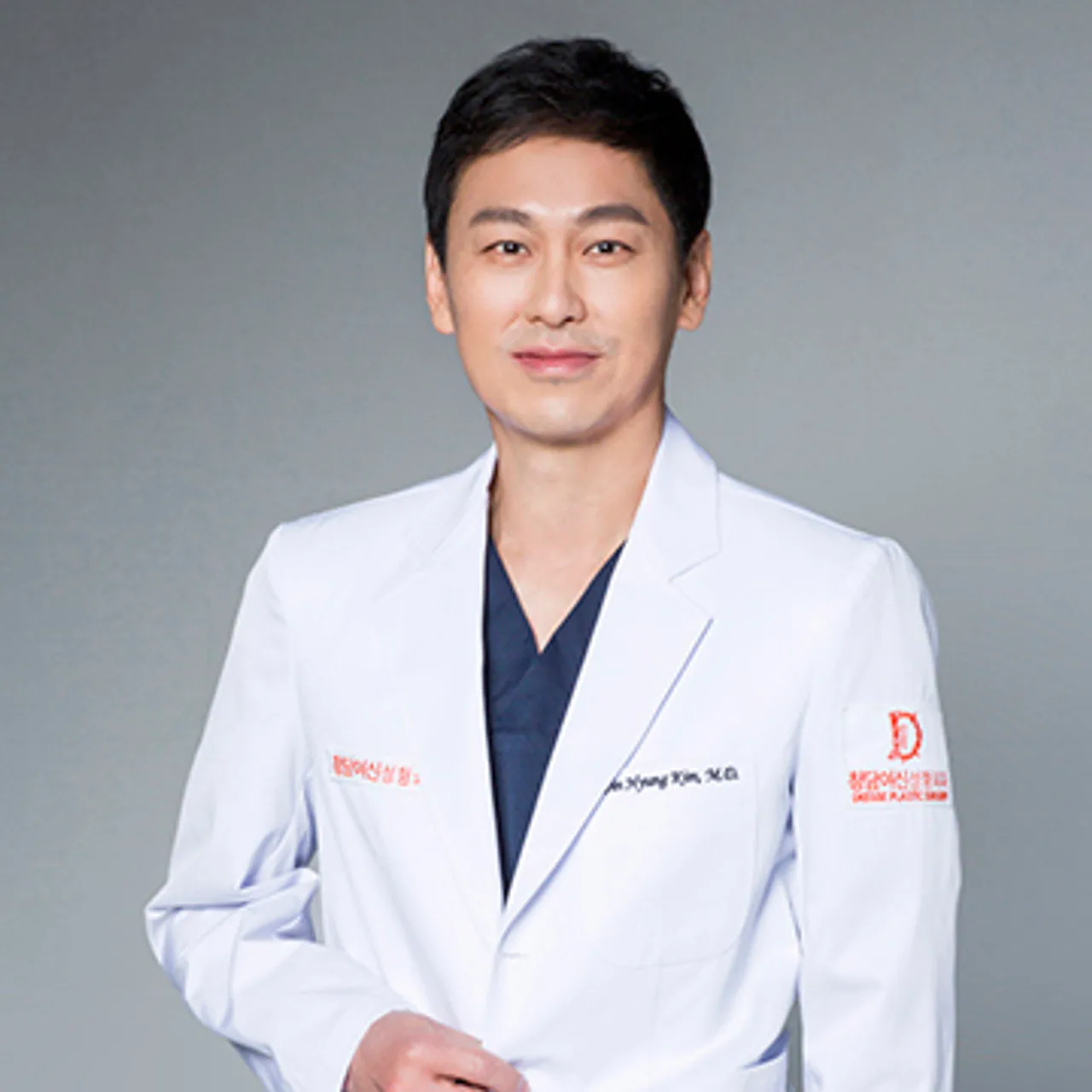
Chief Director | Board-Certified Plastic Surgeon | Deesse Plastic Surgery
Dr. Jin Hyung Kim is the Chief Director of Deesse Plastic Surgery and a board-certified plastic surgeon with specialized expertise in facial contouring and craniofacial surgery. Trained at Yonsei University College of Medicine and Severance Hospital — two of Korea's most respected medical institutions — Dr. Kim brings the technical expertise, diagnostic precision, and aesthetic understanding that two-jaw surgery demands.
Two-jaw surgery is one of the most technically demanding procedures in all of facial surgery. It involves the simultaneous repositioning of both the maxilla and mandible — structures that determine the bite, the airway, the facial midface, and the lower facial profile simultaneously. Every millimeter of jaw movement translates to a visible change in the facial impression, and the planning must account for how the repositioned jaw will affect the surrounding soft tissue, the facial contour, the smile line, and the overall proportional balance of the face.
Dr. Kim's craniofacial surgery specialization provides the three-dimensional anatomical understanding and surgical precision that safe, effective two-jaw surgery requires. His approach — using advanced 3D CT imaging and considering bone, nerve, skin, muscle, and fat layers together — ensures that every surgical plan is designed to produce the most accurate, comprehensive, and aesthetically refined result possible. His continuous research into facial contouring surgery and his distinctive expertise in the Surgery-First approach reflect his commitment to delivering a better surgical experience as well as a better outcome.
Credentials:
- M.D. & Master's Degree — Yonsei University College of Medicine
- Board-Certified Plastic & Reconstructive Surgeon
- Specialist Training — Severance Hospital, Sinchon
- Former Full-Time & Adjunct Professor, Dept. of Plastic Surgery — Severance Hospital
- Former Chief Director — Dau Plastic Surgery
- Current Chief Director — Deesse Plastic Surgery
Professional Memberships: Korean Society of Plastic and Reconstructive Surgeons | Korean Society for Aesthetic Plastic Surgery | Korean Society of Craniofacial Surgery | Japan Society of Aesthetic Plastic Surgery | Oriental Society of Aesthetic Plastic Surgery | International Society of Plastic Surgery
Two-Jaw Surgery: Treatment Areas and Expected Improvements
Primary Treatment Areas:
- Upper jaw (maxilla) — repositioned for bite correction and midface proportion
- Lower jaw (mandible) — repositioned for profile correction and lower facial balance
- Facial bone structure — analyzed via 3D CT for precise surgical planning
- Surrounding soft tissue — nerve, skin, muscle, and fat all considered in the surgical plan
- Overall facial proportion — improved through coordinated jaw repositioning
3 Core Feature Outcomes:
- Simultaneous Functional and Aesthetic Improvement: The core distinction of the Deesse approach is that functional correction and aesthetic improvement are planned together — not treated as separate goals. By restoring bite function and simultaneously repositioning the jaw to achieve the most proportionate facial contour, the procedure produces a result that improves daily function and transforms the facial impression at the same time. Even subtle areas of functional or aesthetic concern can be addressed within the same surgical plan.
- Surgery-First Approach for Accurate, Timely Surgery: The Surgery-First approach performs the jaw surgery before completing orthodontic treatment — shortening the overall treatment period and allowing the patient to proceed at their preferred time. After the core structural problem is resolved through surgery, the remaining orthodontic refinement is significantly faster and more predictable. This approach gives patients greater control over the timing and sequence of their treatment.
- Ideal Facial Contour Effect: By applying aesthetic proportions to the jaw repositioning plan, Dr. Kim moves the jaw position to fit each individual's face — not simply to a functional standard. This means the repositioned jaw creates a smooth, naturally proportionate facial contour line that improves the overall aesthetic impression of the face. Facial depth, asymmetry, and the relationship between the upper and lower jaw are all addressed in a way that maximizes the aesthetic outcome alongside the functional correction.
Expected Improvements May Include:
- Corrected bite alignment and restored jaw function
- Improved facial proportion and reduction of excessive facial depth
- Corrected facial asymmetry and center line alignment
- More balanced, naturally proportionate overall facial appearance
- Smoother, more refined facial contour line from all angles
- Improved smile line and facial expression harmony
- Shorter overall orthodontic treatment period through Surgery-First approach
- Both functional and aesthetic concerns addressed in a single procedure
Results vary by individual. Bone healing, final jaw position, and facial contour depend on anatomy, surgical plan, and post-operative care. No specific outcome is guaranteed.
Two-Jaw Surgery Process and Timeline at Deesse Plastic Surgery

Step 1 — Consultation and 3D CT Diagnosis
Dr. Kim conducts a detailed consultation assessing jaw misalignment, bite function, facial asymmetry, facial proportions, and aesthetic goals. Advanced 3D facial bone CT imaging provides precise diagnosis of the bone structure, nerve positions, and surrounding anatomy — forming the complete foundation of the individualized surgical plan.
Step 2 — Individualized Surgical Plan with Pre-Surgical Prediction
Based on 3D CT analysis, the jaw repositioning plan is designed — determining the direction, degree, and extent of both upper and lower jaw movement. Pre-surgical prediction confirms the expected functional and aesthetic outcome before surgery is confirmed. Surgery-First option is discussed and incorporated where appropriate.
Step 3 — General Anesthesia Planning
A dedicated anesthesiology specialist designs an individualized general anesthesia protocol based on the patient's pre-operative health assessment and the specific requirements of two-jaw surgery.
Step 4 — Two-Jaw Surgery (Approximately 2 Hours 30 Minutes)
The procedure is performed according to the individualized plan — simultaneously repositioning the upper and lower jaw with bone, nerve, skin, muscle, and fat layers all considered throughout. Fixation is applied to stabilize the repositioned jaw structures.
Step 5 — Post-Operative Monitoring and 2-Day Hospitalization
Patients are admitted for two days following surgery for close monitoring. Soft liquid diet — porridge, soup — for five to seven days. Antibiotics for one week. Cold compress first three days; warm compress from day four. Bandage for two days; compression garment for one month thereafter.
Step 6 — Recovery and Follow-Up
Full initial recovery takes three to four weeks. Intraoral sutures dissolve over approximately one month; suture removal possible from the second week. Avoid saunas and full bathing for three to four weeks. Numbness in some areas may occur and typically improves over one to six months. Orthodontic follow-up continues after surgery as planned. Final facial contour and bite outcome develop progressively as healing progresses.
Two-Jaw Surgery Results, Safety, and What to Expect
- Results and Longevity: Two-jaw surgery produces lasting structural changes to jaw position and facial proportion. Because both jaws are repositioned at the bone level and secured with stable fixation, the corrected jaw alignment and facial balance are designed to remain stable as healing progresses. The full aesthetic and functional result develops progressively over weeks to months. Individual results vary and no outcome is guaranteed.
- Safety Profile: All two-jaw surgery at Deesse is preceded by 3D CT imaging and comprehensive pre-surgical diagnosis. Two-day post-surgical hospitalization provides close monitoring during the critical early recovery period. A dedicated anesthesia specialist manages every procedure. Deesse's emergency-ready surgical system — ECG monitoring, uninterruptible power supply, cardiac defibrillator, and central patient monitoring — is active throughout every procedure.
- Possible Side Effects and Risks: Two-jaw surgery carries significant complexity as a high-difficulty procedure. Potential side effects include temporary swelling, bruising, numbness, significant dietary restriction during recovery, and temporary speech and chewing adjustment. Nerve-related concerns, non-union, asymmetry, relapse, and anesthesia complications are possible. Numbness typically improves over one to six months. All risks and realistic expectations are discussed openly with Dr. Kim during consultation before any plan is confirmed.
Why Choose Deesse for Two-Jaw Surgery?
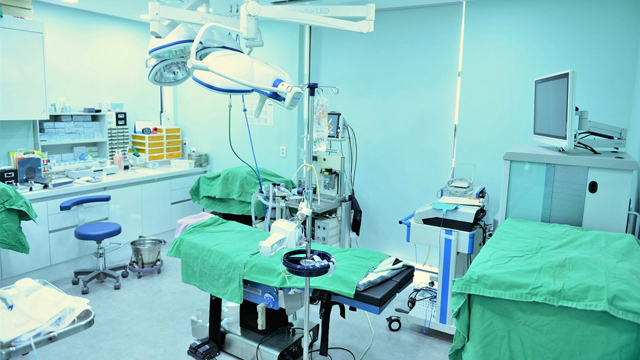
Two-jaw surgery requires a level of surgical expertise, diagnostic precision, and pre-surgical planning that differs fundamentally from other facial contouring procedures. At Deesse, the approach is grounded in two principles that distinguish it from clinics offering purely function-focused orthognathic surgery: every two-jaw case is planned to achieve functional and aesthetic improvement simultaneously, and every plan is built on comprehensive 3D CT analysis that considers bone, nerve, skin, muscle, and fat together — not the jaw in isolation.
Dr. Kim's craniofacial surgery specialization and his continuous research into facial contouring surgery give him the precision and range to plan and execute two-jaw cases at the highest level of technical complexity. For patients who have been told their jaw issue requires surgery but have concerns about the scale of the procedure — the Surgery-First approach, thorough pre-surgical prediction, and two-day hospitalization with dedicated monitoring all provide the framework for a safer, more transparent, and more satisfying experience.
Deesse's five core pillars support every two-jaw surgery case:
- Patient-Centered Specialists — Every plan is built around your specific jaw anatomy, functional concerns, and personal aesthetic goals.
- Emergency-Ready Surgery System — Advanced monitoring and safety equipment active throughout every general anesthesia procedure, with two-day post-surgical hospitalization.
- Customized Anesthesia by Specialist — Individualized general anesthesia protocol designed by a dedicated expert for this high-complexity procedure.
- Total Care Recovery Program — Two-day hospitalization, compression management, systematic follow-up, and coordinated orthodontic continuity.
- Collaborative Field-Specific Team — Dedicated surgical, anesthesia, and recovery teams coordinated across every two-jaw surgery case.
Real Patient Experiences
Jaw Protrusion Correction, Patient in her late 20s
This patient had a protruding lower jaw with accompanying malocclusion that affected both her bite function and her overall facial impression. Following 3D CT diagnosis and two-jaw surgery at Deesse, she described the result as a complete transformation — her bite was corrected, her facial proportion was significantly improved, and the overall impression of her face was more balanced than she had ever experienced.
Facial Asymmetry Correction, Patient in his 30s
This patient had a visible facial asymmetry caused by misaligned jaw structure. Dr. Kim's 3D CT analysis identified the structural cause and a two-jaw correction plan was designed. He described the improvement as more significant than he had expected — his face appeared symmetrical and balanced for the first time, and the functional improvement in his bite was an additional benefit that made the procedure feel fully worthwhile.
Achieve the Facial Balance You Were Always Meant to Have
If jaw misalignment is affecting your bite function, facial proportion, or overall balance — and orthodontic treatment alone cannot resolve it — two-jaw surgery at Deesse Plastic Surgery offers a comprehensive, precisely planned path to correction that addresses both function and appearance together. Dr. Jin Hyung Kim and the full Deesse specialist team will diagnose your jaw structure with 3D CT precision, design a plan that optimizes both functional and aesthetic outcomes, and deliver a result that brings your face into the balance it was always meant to have.
[Book Your Free Two-Jaw Surgery Consultation Today]
Your consultation is free, confidential, and comes with no obligation. Our patient care team is ready to answer your questions and schedule your appointment.
Other Services
Explore additional treatments offered by our specialists.

Male Double Eyelid
Male eye surgery at Deesse Plastic Surgery is a specialized aesthetic procedure designed to improve the appearance of the eyes while preserving and enhancing masculine facial characteristics.
Learn More

Square Jaw Reduction
Achieve a refined V-line with expert square jaw reduction at Deesse Plastic Surgery. Board-certified surgeon Dr. Jin Hyung Kim. 3D precision. Minimal stepped effect. Book today.
Learn More

Breast Reconstruction
Breast reconstruction surgery is a reconstructive procedure performed to restore the shape, volume, and contour of the breast following mastectomy due to breast cancer treatment, trauma-related deformity, congenital breast absence, or post-surgical asymmetry.
Learn More