Personalized Medical Care & Dedicated International Patient Concierge


Eye Surgery · Needs Clinic Confirmation
Ptosis Correction
Ptosis correction is a surgical procedure that adjusts the strength of the levator muscle — the muscle responsible for lifting the upper eyelid — to correct drooping that partially covers the iris.
Schedule a ConsultationPtosis Correction

What Is Ptosis Correction Surgery?
Ptosis correction is a surgical procedure that adjusts the strength of the levator muscle — the muscle responsible for lifting the upper eyelid — to correct drooping that partially covers the iris. When functioning normally, the eye-opening muscle holds the eyelid at a level where 80–90% of the iris is visible when the eyes are open naturally. In patients with ptosis, this muscle is weakened or insufficiently developed, causing the eyelid to droop and cover a significant portion of the iris, creating a sleepy, heavy, or disinterested appearance.
At Deesse Plastic Surgery, ptosis correction is tailored to each patient's individual eyelid characteristics — including fat volume, skin thickness, and degree of drooping — and divided into two approaches: incisional and non-incisional correction. Both methods target the levator muscle directly, restoring proper eyelid elevation and creating a noticeably brighter, more open eye appearance. Surgery is completed within one hour, with same-day discharge and a recovery period of five to seven days.
Who Needs Ptosis Correction Surgery?
Ptosis correction is appropriate for patients experiencing functional or aesthetic concerns related to a weak or drooping upper eyelid. Ideal candidates include:
- Patients whose iris is covered by more than one-third of the eyelid, making the eyes appear persistently small or sleepy
- Those with a weak eye-opening muscle that cannot maintain adequate eyelid elevation throughout the day
- Patients for whom double eyelid surgery alone did not produce sufficient improvement in eye openness
- Individuals with asymmetrical eyes where one eyelid droops noticeably more than the other
- Those who are frequently told their eyes look drowsy or tired despite feeling alert and well-rested
- Patients who strain their forehead and brow muscles to compensate for weak eyelid elevation, resulting in chronic forehead wrinkles and brow fatigue
- Individuals experiencing functional concerns such as reduced visual field, poor vision, or astigmatism symptoms related to eyelid drooping
Meet the Specialist: Dr. Jin Hyung Kim

Chief Director | Board-Certified Plastic Surgeon | Deesse Plastic Surgery
Dr. Jin Hyung Kim is Chief Director and Board-Certified Plastic Surgeon at Deesse Plastic Surgery. He completed both his Medical Degree and Master's Degree at Yonsei University College of Medicine — one of Korea's most respected institutions — before undertaking specialist plastic surgery training at Severance Hospital, Sinchon. He subsequently served as Full-Time Professor and Adjunct Professor in the Department of Plastic Surgery at Severance Hospital, a distinction reflecting both clinical excellence and a sustained commitment to advancing plastic surgery through academic practice.
His specialist background in aesthetic and craniofacial surgery provides him with a precise, anatomy-focused approach to ptosis correction — understanding not only the cosmetic dimension but the functional mechanics of eyelid muscle behavior. He is an active member of six domestic and international plastic surgery societies, including the Korean Society for Aesthetic Plastic Surgery and the International Society of Plastic Surgery. Every ptosis correction procedure at Deesse is planned individually, with surgical method selected based on the patient's specific eyelid anatomy, fat volume, and degree of muscle weakness — ensuring results that are natural, balanced, and appropriately matched to the patient's goals.
Ptosis Correction: Treatment Areas and Expected Improvements
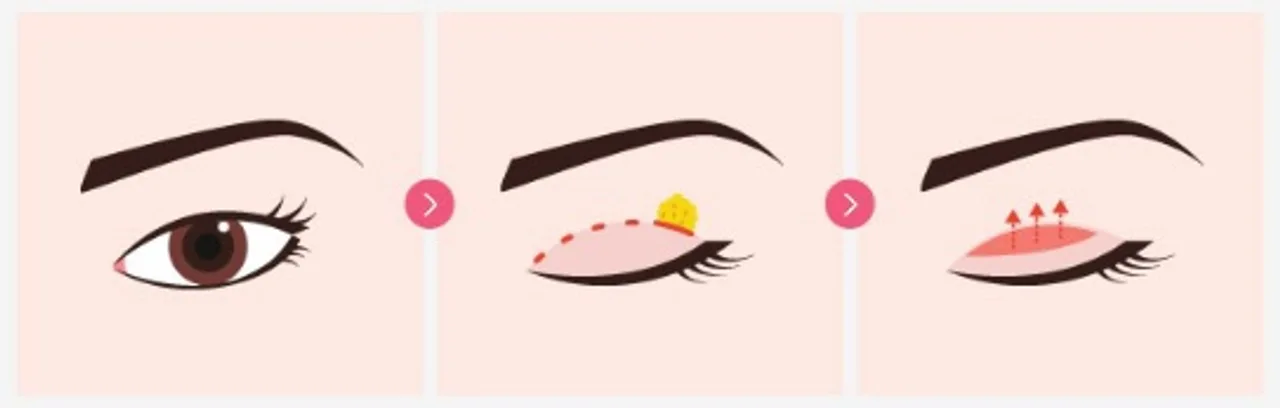
- Upper Eyelid and Levator Muscle: The primary target of ptosis correction is the levator muscle of the upper eyelid. By tightening and adjusting this muscle — either through an incisional or non-incisional approach — the eyelid is elevated to its correct resting position, allowing the iris to be fully and naturally visible. Patients typically experience a significantly more open, alert, and defined eye appearance following surgery. Where excess periorbital fat contributes to eyelid heaviness, this is accurately diagnosed and an appropriate amount removed prior to muscle correction, ensuring a balanced and natural outcome.
- Forehead and Brow — Indirect Functional Improvement: Many ptosis patients unconsciously recruit their forehead muscles to help lift drooping eyelids — a compensatory habit that causes persistent horizontal forehead wrinkles and chronic brow tension. Once the levator muscle is surgically corrected and the eyelid can open properly without assistance, this habitual straining is no longer necessary. Patients frequently notice a meaningful reduction in forehead wrinkle depth and brow fatigue as an indirect benefit of ptosis correction, improving the overall upper facial appearance beyond the eye area alone.
- Iris Visibility and Eye Symmetry: Correcting the levator muscle restores appropriate iris coverage — achieving the natural proportion where 80–90% of the iris is visible when the eyes are open. In patients with asymmetrical ptosis, careful individual assessment of each eye allows the surgical plan to address differences in muscle strength and eyelid position, working toward greater bilateral symmetry and a more balanced overall eye appearance.
- Functional Vision Improvements: In cases where drooping eyelid skin or a weak levator muscle has contributed to a reduced visual field, poor vision clarity, or astigmatism-related symptoms, ptosis correction can provide meaningful functional improvement alongside the aesthetic result. This dual benefit — cosmetic and functional — makes ptosis correction a procedure with real quality-of-life implications for appropriately selected patients.
Results vary by individual anatomy, degree of ptosis, and muscle strength. No specific outcome is guaranteed, and a thorough pre-surgical consultation is essential to establish realistic, personalized expectations.
Ptosis Correction: Step-by-Step Treatment Process
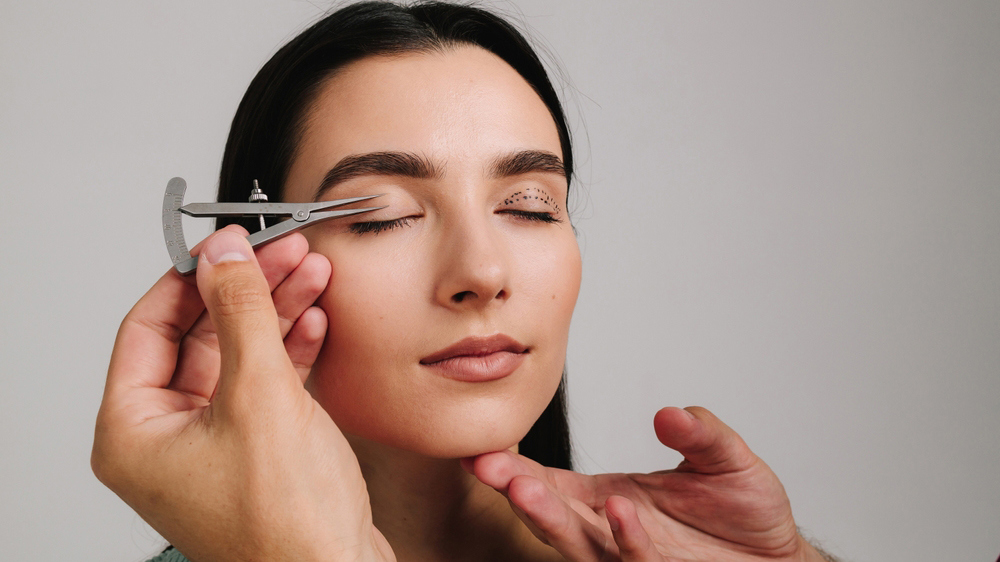
1. Consultation and Eyelid Assessment: Dr. Kim conducts a detailed evaluation of the patient's levator muscle strength, degree of iris coverage, eyelid fat volume, skin thickness, and overall facial proportions. The patient's concerns and goals are discussed thoroughly, and the most appropriate surgical approach — incisional or non-incisional — is determined based on individual eyelid characteristics.
2. Pre-Surgical Health Screening: All patients undergo a comprehensive pre-operative assessment including blood tests and cardiac screening. Deesse's dedicated anesthesiology specialist reviews results and designs a fully individualized anesthesia plan — selecting the most appropriate type and dosage for each patient's physiology and the planned procedure.
3. Surgery — Incisional or Non-Incisional Approach: Incisional Ptosis Correction: A small incision is made in the eyelid, excess fat inside the eyelid is removed where necessary, and the levator muscle is tightened and secured. Recommended for patients with excess eyelid fat or more significant muscle weakness. Non-Incisional Ptosis Correction: The levator muscle is accessed and tightened from inside the eyelid without an external incision — leaving no visible scarring and allowing a significantly shorter recovery period. Both procedures are completed under local or sleep anesthesia within one hour, in Deesse's fully monitored surgical facility.
4. Same-Day Discharge and Immediate Aftercare: Following surgery, patients are monitored in the recovery area before being discharged the same day. Detailed post-operative instructions are provided covering wound care, activity limitations, and what to expect during early recovery. Mild swelling, bruising, and temporary sensitivity around the eye are normal and expected in the first few days.
5. Recovery — 5 to 7 Days: Swelling and bruising are typically most pronounced in the first two to three days, gradually resolving over the following week. Non-incisional patients generally experience a shorter and more comfortable recovery than those who undergo the incisional approach. Light daily activities can typically resume within one week, with strenuous exercise and direct sun exposure avoided during the recovery period.
6. Follow-Up and Final Results: Follow-up appointments monitor healing progress and, for incisional patients, suture removal is performed at the appropriate time. Initial improvement in eye openness and definition is visible within one to two weeks as swelling subsides. The final, settled result — with fully natural eyelid elevation and balanced iris visibility — becomes apparent over the following weeks as residual swelling completely resolves.
Results, Safety, and Longevity
Ptosis correction addresses the root anatomical cause of drooping — weakened levator muscle function — rather than surface-level changes alone, producing results that are both meaningful and long-lasting. Many patients enjoy the benefits of their procedure for years following surgery, with longevity influenced by individual factors including natural aging, skin quality, and lifestyle.
Patient safety is a foundational priority at Deesse Plastic Surgery. Every procedure is performed in a fully equipped surgical facility with ECG monitoring, defibrillators, UPS power backup, and a central monitoring system — ensuring continuous assessment of the patient's condition throughout surgery. A dedicated anesthesiology specialist oversees each patient's individualized anesthesia plan from pre-operative screening through post-operative recovery.
Common side effects include mild swelling, bruising, and temporary sensitivity around the eye, typically resolving within five to seven days. Non-incisional patients generally experience a quicker recovery with minimal bruising. Temporary dryness or light sensitivity may also occur. More significant complications are uncommon but are discussed openly during the pre-surgical consultation. Deesse's total care recovery program provides structured follow-up support to monitor healing and address any concerns promptly.
Why Choose Deesse Plastic Surgery for Ptosis Correction?

Deesse Plastic Surgery offers a level of specialist expertise, surgical precision, and patient care infrastructure that distinguishes it clearly from general cosmetic clinics. Led by Dr. Jin Hyung Kim — a Yonsei-trained surgeon and former Severance Hospital professor — the clinic approaches every ptosis correction procedure with deep anatomical knowledge, individualized planning, and a genuine commitment to natural, balanced results.
The clinic's five core pillars ensure comprehensive support at every stage: a patient-centered specialist team, an emergency-ready surgical facility, individualized anesthesia planning, a structured total care recovery program, and a collaborative team system managing every case from first consultation through final follow-up. At Deesse, quality and patient safety always take priority over volume.
- Expert Surgeon: Board-certified, Yonsei M.D., former Severance Hospital professor with aesthetic and craniofacial surgery expertise
- Two Surgical Approaches: Incisional and non-incisional ptosis correction selected individually based on eyelid anatomy and muscle characteristics
- Emergency-Ready Facility: Advanced monitoring, defibrillators, and backup power active throughout every procedure
- Total Care Recovery: Structured post-operative program supporting faster healing, reduced swelling, and ongoing clinical follow-up
Patient Experiences
Ptosis Correction — Female, 30s
A patient in her 30s had lived with noticeably drooping upper eyelids since her early twenties, frequently hearing from others that she looked tired or disinterested. Despite trying double eyelid surgery previously, the result had not sufficiently opened her eyes. Following non-incisional ptosis correction with Dr. Kim, she noted her eyes appeared significantly larger and more alert, with no visible scarring and a recovery of under one week.
Ptosis Correction with Synergy Procedure — Female, 40s
A patient in her 40s presented with asymmetrical ptosis alongside forehead wrinkles caused by years of compensatory brow lifting. Following incisional ptosis correction combined with a complementary eye-shaping procedure, she reported that both her eye symmetry and forehead tension had improved meaningfully — a result she described as more refreshed and natural than she had anticipated.
Book Your Ptosis Correction Consultation at Deesse Plastic Surgery
If drooping eyelids are making you look tired, smaller-eyed, or less confident than you feel, ptosis correction at Deesse Plastic Surgery offers a precise, individually tailored solution — delivered by a board-certified specialist in a clinic built entirely around your safety and satisfaction. Every surgical plan is matched to your unique eyelid anatomy. Every procedure is supported by Deesse's five-pillar care system. Take the first step toward brighter, more open eyes today.
[Book Your Ptosis Correction Consultation Today]
For direct enquiries, contact the Deesse Plastic Surgery appointment desk to speak with the specialist care team.
Other Services
Explore additional treatments offered by our specialists.

Male Double Eyelid
Male eye surgery at Deesse Plastic Surgery is a specialized aesthetic procedure designed to improve the appearance of the eyes while preserving and enhancing masculine facial characteristics.
Learn More

Square Jaw Reduction
Achieve a refined V-line with expert square jaw reduction at Deesse Plastic Surgery. Board-certified surgeon Dr. Jin Hyung Kim. 3D precision. Minimal stepped effect. Book today.
Learn More

Breast Reconstruction
Breast reconstruction surgery is a reconstructive procedure performed to restore the shape, volume, and contour of the breast following mastectomy due to breast cancer treatment, trauma-related deformity, congenital breast absence, or post-surgical asymmetry.
Learn More