Personalized Medical Care & Dedicated International Patient Concierge


Facial Contouring · Needs Clinic Confirmation
Facial Contouring Revision Surgery
Facial contouring revision surgery is a corrective surgical procedure that treats the complications and sequelae that occur following prior facial contouring surgery.
Schedule a ConsultationFacial Contouring Revision Surgery

What Is Facial Contouring Revision Surgery? Overview at Deesse
Facial contouring revision surgery is a corrective surgical procedure that treats the complications and sequelae that occur following prior facial contouring surgery. It is performed when the initial procedure has produced aesthetic problems — such as uneven lines, asymmetry, or an unnatural result — or functional concerns that require surgical correction. The procedure is not a repeat of the first surgery. It is a fundamentally different, cause-first intervention designed to address what went wrong and why.
At Deesse Plastic Surgery, every revision case begins with thorough 3D imaging and clinical examination to identify the specific cause of the first surgery's failure. This diagnostic-first approach is what distinguishes successful revision from unsuccessful repetition. The technical skill and experience of the lead surgeon greatly determines the outcome of facial contouring revision — and without accurately understanding what caused the first result, a second procedure carries the same risks. Only by precisely identifying the problem and its origin can a corrective plan be designed that is genuinely safer and more likely to achieve the result the patient wants.
Once the cause is confirmed, a fully customized surgical method is applied — tailored to the individual's specific complication type, current facial condition, and desired outcome. 1:1 personalized consultation with simulation allows the expected result to be previewed before surgery begins. Surgery takes within two hours under general anesthesia, with one day of hospitalization and approximately two weeks of recovery.
At a Glance:
- Procedure: Cause-identified facial contouring correction
- Diagnosis: 3D imaging + clinical examination
- Approach: Customized per complication type
- Duration: Within 2 hours
- Anesthesia: General anesthesia
- Hospitalization: 1 day
- Recovery: 2 weeks
Who Needs Facial Contouring Revision Surgery?
Facial contouring revision is appropriate for individuals who have undergone prior facial contouring surgery and experienced complications, unsatisfactory results, or functional concerns. Candidacy is confirmed through detailed consultation, 3D imaging, and clinical examination with Dr. Kim.
Ideal Candidates Include:
- Fractured or Damaged Chin Bone — Patients whose chin bone was fractured or structurally compromised following prior contouring surgery, requiring corrective repair and repositioning.
- Severe Cheekbone Asymmetry — Individuals whose cheekbones sit at visibly different heights, widths, or angles following prior cheekbone reduction — affecting overall facial symmetry.
- Chin Asymmetry or Deviation — Those whose chin has shifted to one side or presents visible asymmetry following prior chin surgery, disrupting the center line and lower facial balance.
- Facial Sagging or Drooping Cheeks — Patients who developed facial sagging or cheek descent following contouring surgery — a known complication where soft tissue support is disrupted during the original procedure.
- Blunt or Undefined Jaw — Individuals whose jaw appears blunt, undefined, or irregular after prior surgery — where the intended contouring result was not achieved or regressed during healing.
- Neck Scarring — Those who developed visible scarring in the neck area as a result of prior facial contouring surgery, requiring scar correction as part of the revision plan.
- Continued Pulling or Tension Sensation — Patients who continue to experience persistent pulling, tightness, or tension in the facial or jaw area following prior surgery — indicating soft tissue or structural concerns that require assessment and correction.
- Swollen or Lumped Chin Area — Those whose chin area remains swollen, lumped, or irregular well beyond the normal healing timeline, suggesting fixation, bone, or soft tissue complications.
Meet the Specialist: Dr. Jin Hyung Kim — Facial Contouring Revision & Craniofacial Expert
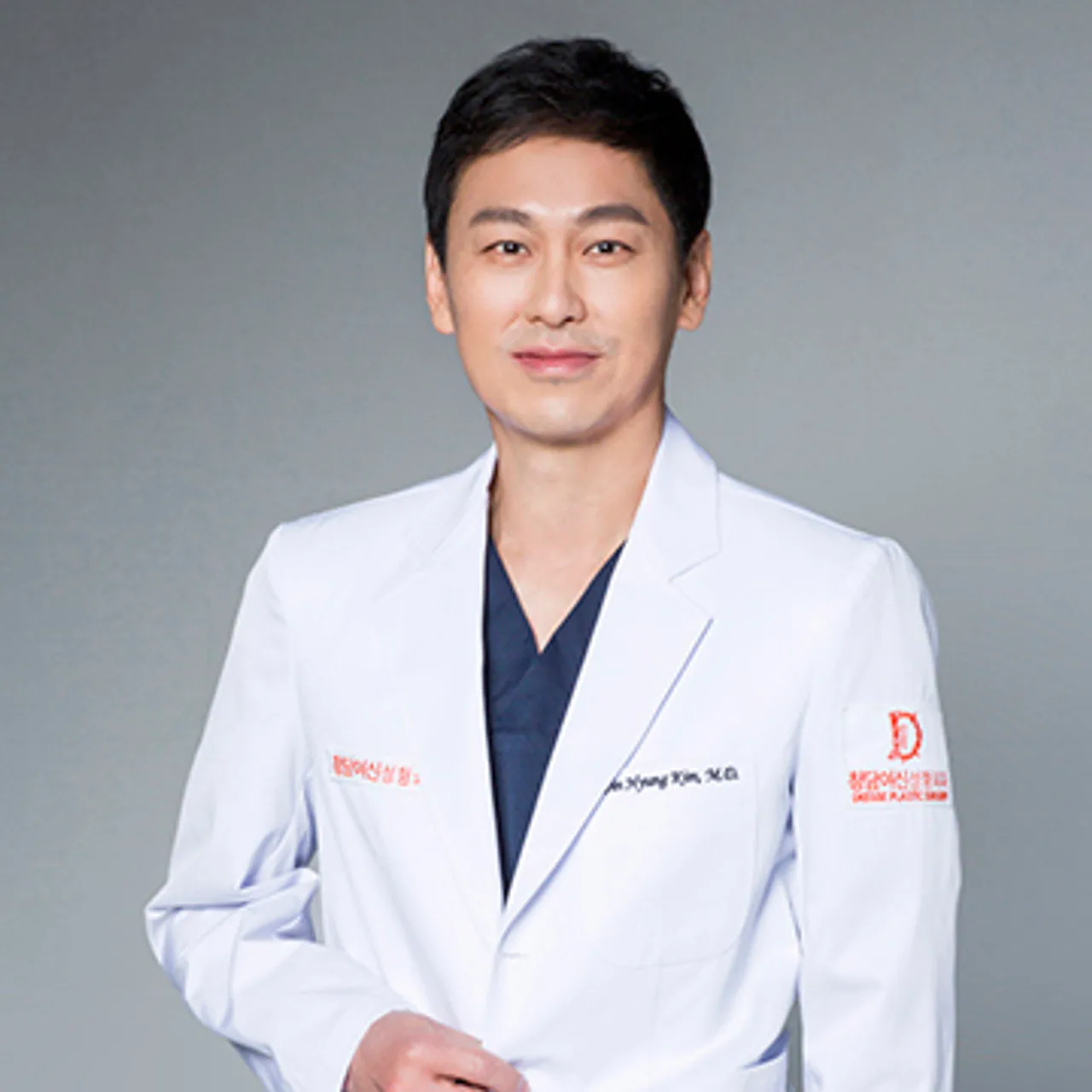
Chief Director | Board-Certified Plastic Surgeon | Deesse Plastic Surgery
Dr. Jin Hyung Kim is the Chief Director of Deesse Plastic Surgery and a board-certified plastic surgeon with specialized expertise in aesthetic facial contouring and craniofacial procedures. Trained at Yonsei University College of Medicine and Severance Hospital, Dr. Kim brings the diagnostic precision, technical expertise, and clinical experience that facial contouring revision surgery demands.
Facial contouring revision is among the most complex procedures in aesthetic surgery. The operating environment is fundamentally different from a primary case — altered bone surfaces, scar tissue formation, changed soft tissue behavior, and in many cases hardware from prior fixation all create a surgical landscape that requires both careful pre-surgical analysis and a higher level of intraoperative adaptability. A revision performed without accurately identifying the cause of the prior failure is unlikely to produce a better outcome — and risks adding new complications to existing ones.
Dr. Kim's approach to every facial contouring revision begins with the question every patient deserves answered: what exactly went wrong, and why? Using 3D imaging and clinical examination, he establishes a precise diagnosis before designing any corrective plan. His craniofacial surgery background provides the bone-level structural understanding that accurate diagnosis and safe correction require. His diverse revision case experience and continuous development of facial contouring surgical techniques — including core procedures such as X-cut osteotomy and cheekbone reduction — give him the technical range to address the full spectrum of contouring complications.
Credentials:
- M.D. & Master's Degree — Yonsei University College of Medicine
- Board-Certified Plastic & Reconstructive Surgeon
- Specialist Training — Severance Hospital, Sinchon
- Former Full-Time & Adjunct Professor, Dept. of Plastic Surgery — Severance Hospital
- Former Chief Director — Dau Plastic Surgery
- Current Chief Director — Deesse Plastic Surgery
Professional Memberships: Korean Society of Plastic and Reconstructive Surgeons | Korean Society for Aesthetic Plastic Surgery | Korean Society of Craniofacial Surgery | Japan Society of Aesthetic Plastic Surgery | Oriental Society of Aesthetic Plastic Surgery | International Society of Plastic Surgery
Facial Contouring Revision: Correction Areas and Approach

- Accurate Cause Analysis: Every revision at Deesse begins with comprehensive examination — 3D imaging, clinical assessment, and a thorough review of the prior surgical history. The specific cause of the first surgery's failure is identified before any revision plan is made. This diagnostic foundation allows the corrective approach to target the actual problem — not its surface appearance — and significantly improves the likelihood of achieving a safe, stable, and satisfying revision result.
- Type-Specific Surgical Methods: Because facial contouring complications present in many different forms, no single revision technique applies to all cases. Dr. Kim applies surgical methods tailored specifically to the individual's complication type and current facial condition — whether that involves bone repositioning, asymmetry correction, soft tissue support restoration, scar management, or hardware adjustment. Both aesthetic and functional concerns are addressed within the same revision plan.
- 1:1 Simulation-Based Result Prediction: Before any revision surgery proceeds, a 1:1 personalized consultation with simulation is conducted — allowing the patient to preview the expected corrective result and align on realistic expectations before committing to the procedure. This step ensures full transparency and patient confidence before surgery begins.
Expected Improvements May Include:
- Corrected chin or cheekbone asymmetry and center alignment
- Resolved chin bone fracture or structural instability
- Improved jaw definition and contour regularity
- Reduced facial sagging and restored soft tissue support
- Corrected neck scarring from prior procedure
- Resolution of persistent pulling, tightness, or tension sensation
- Improved overall lower facial balance and proportion
- Both aesthetic and functional concerns addressed simultaneously
Results vary by individual. The degree of improvement depends on the nature and complexity of the prior surgery, current tissue condition, and healing. No specific outcome is guaranteed.
Facial Contouring Revision Process and Timeline
Step 1 — Consultation and 3D Cause Analysis
Dr. Kim conducts a detailed consultation reviewing prior surgical history, current facial condition, and specific concerns. 3D imaging and clinical examination are performed to precisely identify the cause of the first surgery's failure. This diagnostic stage forms the entire foundation of the revision plan.
Step 2 — Individualized Revision Surgical Plan with Simulation
Based on cause analysis, a fully customized revision plan is designed. 1:1 simulation consultation allows the expected result to be previewed and discussed before surgery is confirmed. All components — bone correction, soft tissue management, asymmetry correction — are integrated into a single plan.
Step 3 — General Anesthesia Planning
A dedicated anesthesiology specialist designs an individualized general anesthesia protocol based on pre-operative health assessment and procedure complexity.
Step 4 — Revision Surgery (Within 2 Hours)
The procedure is performed according to the individualized plan — addressing the identified cause of the first surgery's complication with appropriate correction techniques. Advanced specialized medical equipment and anesthesia facilities support every procedure.
Step 5 — Post-Operative Monitoring and Hospitalization
Patients are hospitalized for one day following surgery with close monitoring. Cold compress for the first three days; warm compress from day four. Soft liquid diet for five to seven days. Antibiotics for one week. Bandage kept for two days; compression garment worn for one month thereafter.
Step 6 — Recovery and Follow-Up
Full initial recovery takes approximately two weeks. Intraoral sutures dissolve over approximately one month. Avoid saunas and full bathing for three to four weeks. Numbness in some areas may occur and typically improves over one to six months. Follow-up appointments monitor healing, bone stability, soft tissue integration, and overall revision outcome.
Results, Safety, and What to Expect
- Results and Longevity: Facial contouring revision surgery produces structural corrections designed to be lasting. Because every plan begins with precise cause analysis and targets the underlying reason for the first complication — not just its surface presentation — the corrected result is intended to remain stable as healing progresses. Final contour development occurs progressively as post-surgical swelling resolves over weeks to months. Individual results vary and no outcome is guaranteed.
- Safety Profile: All revision procedures at Deesse are preceded by thorough 3D imaging and clinical diagnosis. Advanced specialized medical equipment and anesthesia facilities are maintained throughout. Deesse's emergency-ready surgical system — ECG monitoring, uninterruptible power supply, cardiac defibrillator, and central patient monitoring — is active throughout every procedure. One day of post-surgical hospitalization provides close monitoring during the critical early recovery period.
- Possible Side Effects and Risks: Revision surgery carries higher complexity than primary procedures due to altered tissue, scar formation, and prior hardware. Potential side effects include swelling, bruising, numbness, dietary restriction, and a longer recovery than primary contouring. Infection, fixation concerns, asymmetry, and anesthesia complications are possible. All risks are discussed openly with Dr. Kim during consultation.
Why Choose Deesse for Facial Contouring Revision?
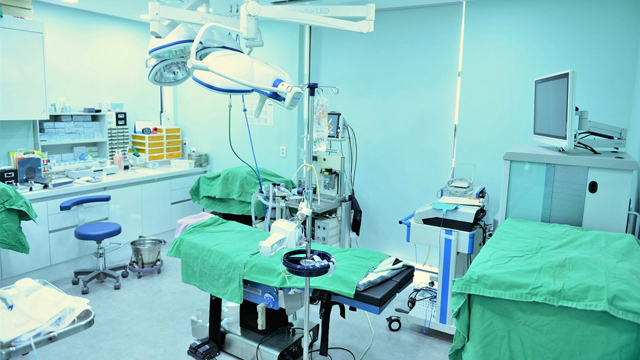
The outcome of facial contouring revision is determined more by the quality of pre-surgical diagnosis and the technical experience of the surgeon than by any other factor. A revision performed without identifying the exact cause of the prior complication is not a revision — it is a repetition of the same risk. At Deesse, this principle shapes every revision consultation: no surgical plan is designed until the cause of the first problem is precisely understood.
Dr. Kim's craniofacial specialization, diverse revision case experience, and continuous surgical research give him the diagnostic and technical range to address the full spectrum of facial contouring complications — from cheekbone asymmetry and chin deviation to soft tissue sagging and persistent functional concerns. For patients who have already experienced one disappointing surgical outcome, this level of precision and accountability offers a genuine path to the result they have been waiting for.
Deesse's five core pillars support every revision case:
- Patient-Centered Specialists — Every revision plan is built around the precise cause of your complication, your current facial condition, and your goals.
- Emergency-Ready Surgery System — Advanced monitoring and safety equipment active throughout every general anesthesia procedure.
- Customized Anesthesia by Specialist — Individualized protocol designed by a dedicated anesthesiology expert.
- Total Care Recovery Program — One-day hospitalization, systematic bruising and swelling management, and consistent follow-up through recovery.
- Collaborative Field-Specific Team — Coordinated specialist team from initial 3D diagnosis through final follow-up.
Real Patient Experiences
Cheekbone Asymmetry Revision, Patient in her late 20s
This patient developed visible cheekbone asymmetry following reduction surgery at another clinic. Dr. Kim's 3D analysis identified the structural cause, and a customized revision plan was designed. She described the result as finally giving her the facial balance she had sought — symmetrical, natural, and clearly an improvement over both her pre-revision and original post-surgical state.
Chin Deviation Correction, Patient in his 30s
This patient experienced chin deviation to one side following prior genioplasty, affecting both his facial symmetry and his confidence. Dr. Kim's consultation and simulation process gave him a clear picture of what the revision would achieve before proceeding. He described the final result as precisely what the simulation had shown — and highlighted the thoroughness of the diagnostic process as the aspect that gave him most confidence.
Get the Facial Contouring Result You Deserved the First Time
If facial contouring surgery has left you with complications, asymmetry, or a result that does not reflect what you were promised — expert revision surgery at Deesse Plastic Surgery offers a precise, cause-first path to the correction and improvement you deserve. Dr. Jin Hyung Kim and the full Deesse specialist team will identify exactly what went wrong, design a plan to correct it comprehensively, and deliver a result built on genuine diagnostic precision and surgical experience.
[Book Your Free Facial Contouring Revision Consultation Today]
Your consultation is free, confidential, and comes with no obligation. Our patient care team is ready to answer your questions and schedule your appointment.
Other Services
Explore additional treatments offered by our specialists.

Male Double Eyelid
Male eye surgery at Deesse Plastic Surgery is a specialized aesthetic procedure designed to improve the appearance of the eyes while preserving and enhancing masculine facial characteristics.
Learn More

Square Jaw Reduction
Achieve a refined V-line with expert square jaw reduction at Deesse Plastic Surgery. Board-certified surgeon Dr. Jin Hyung Kim. 3D precision. Minimal stepped effect. Book today.
Learn More

Breast Reconstruction
Breast reconstruction surgery is a reconstructive procedure performed to restore the shape, volume, and contour of the breast following mastectomy due to breast cancer treatment, trauma-related deformity, congenital breast absence, or post-surgical asymmetry.
Learn More