Personalized Medical Care & Dedicated International Patient Concierge


Reconstructive Surgery · Needs Clinic Confirmation
Cleft Lip & Palate Repair
Cleft lip and cleft palate are congenital conditions caused by incomplete fusion of the lip or palate during fetal development.
Schedule a ConsultationCleft Lip & Palate Repair

What Is Cleft Lip & Palate Repair? Overview at Deesse
Cleft lip and cleft palate are congenital conditions caused by incomplete fusion of the lip or palate during fetal development. When the tissues that form the upper lip, philtrum, or palate do not fuse completely before birth, a gap or cleft remains — affecting the structural appearance of the lip and nose and, in many cases, creating functional concerns including airway obstruction and speech-related issues.
At Deesse Plastic Surgery, cleft lip and palate repair addresses both the aesthetic and functional dimensions of the condition simultaneously — recognizing that a reconstruction that corrects appearance without addressing function, or function without restoring natural-looking contour, delivers an incomplete outcome. Precise reconstructive surgical techniques are applied to restore lip shape, philtrum definition, and nasal structure — with careful attention to tissue damage, existing scars, and the structural deformities that may have developed or persisted following primary surgery.
For patients who have already undergone primary cleft surgery in infancy but present with residual concerns — including asymmetrical lips, V-shaped philtrum scars, nasal deformities, or functional airway issues — secondary reconstruction at Deesse is performed after approximately 16 years of age, when facial growth is sufficiently complete for refined aesthetic and functional correction. Scar minimization is addressed through surgical revision combined with laser treatment. Lip and philtrum reconstruction restores balanced, harmonious contours. Nasal reconstruction corrects deviated structures and improves airway function alongside aesthetic refinement.
At a Glance:
- Procedure: Lip/philtrum reconstruction + nasal reconstruction + scar revision
- Timing: Secondary surgery after approximately 16 years of age
- Duration: Approximately 2 hours
- Anesthesia: Sedation anesthesia
- Discharge: Same day
- Recovery: Approximately 2–3 days
Who Is Cleft Lip & Palate Repair Right For?
Cleft lip and palate repair is appropriate for individuals with congenital cleft conditions — whether presenting for initial correction or seeking secondary refinement following prior surgery. Candidacy is confirmed through detailed consultation and facial structural assessment with Dr. Kim.
Ideal Candidates Include:
- Residual Lip Asymmetry After Primary Surgery — Individuals in their late teens through adulthood whose primary cleft lip surgery left residual asymmetry in lip shape, position, or contour — where secondary reconstruction refines the lip toward a more balanced, naturally harmonious appearance.
- V-Shaped Philtrum Scars — Those with visible V-shaped or depressed philtrum scars remaining from primary surgery — where delicate dermal tissue grafting restores natural philtrum contour and definition.
- Nasal Deformity from Cleft Condition — Patients whose cleft-related nasal deformity — deviated nasal structure, asymmetrical nasal tip, or collapsed nasal support — affects either appearance or breathing function — where structural grafting corrects both dimensions.
- Nasal Airway Obstruction — Those experiencing functional breathing difficulty caused by deviated nasal structures following primary cleft surgery — where nasal reconstruction restores airway function alongside aesthetic refinement.
- Seeking Comprehensive Simultaneous Correction — Individuals who want lip, philtrum, and nasal concerns addressed in a single coordinated surgical plan — avoiding multiple separate procedures while achieving comprehensive improvement.
- Unstable Deformities After Prior Surgery — Patients whose prior cleft surgery produced structural instability, deformity progression, or results that have changed over the course of facial growth — requiring secondary corrective planning that accounts for the current structural state.
- Seeking Scar Improvement — Those whose surgical scars from primary cleft surgery remain visible and affect facial appearance — where combined surgical revision and laser treatment minimizes scar appearance as part of the comprehensive reconstruction plan.
Meet the Specialist: Dr. Jin Hyung Kim — Reconstructive Surgery & Craniofacial Expert
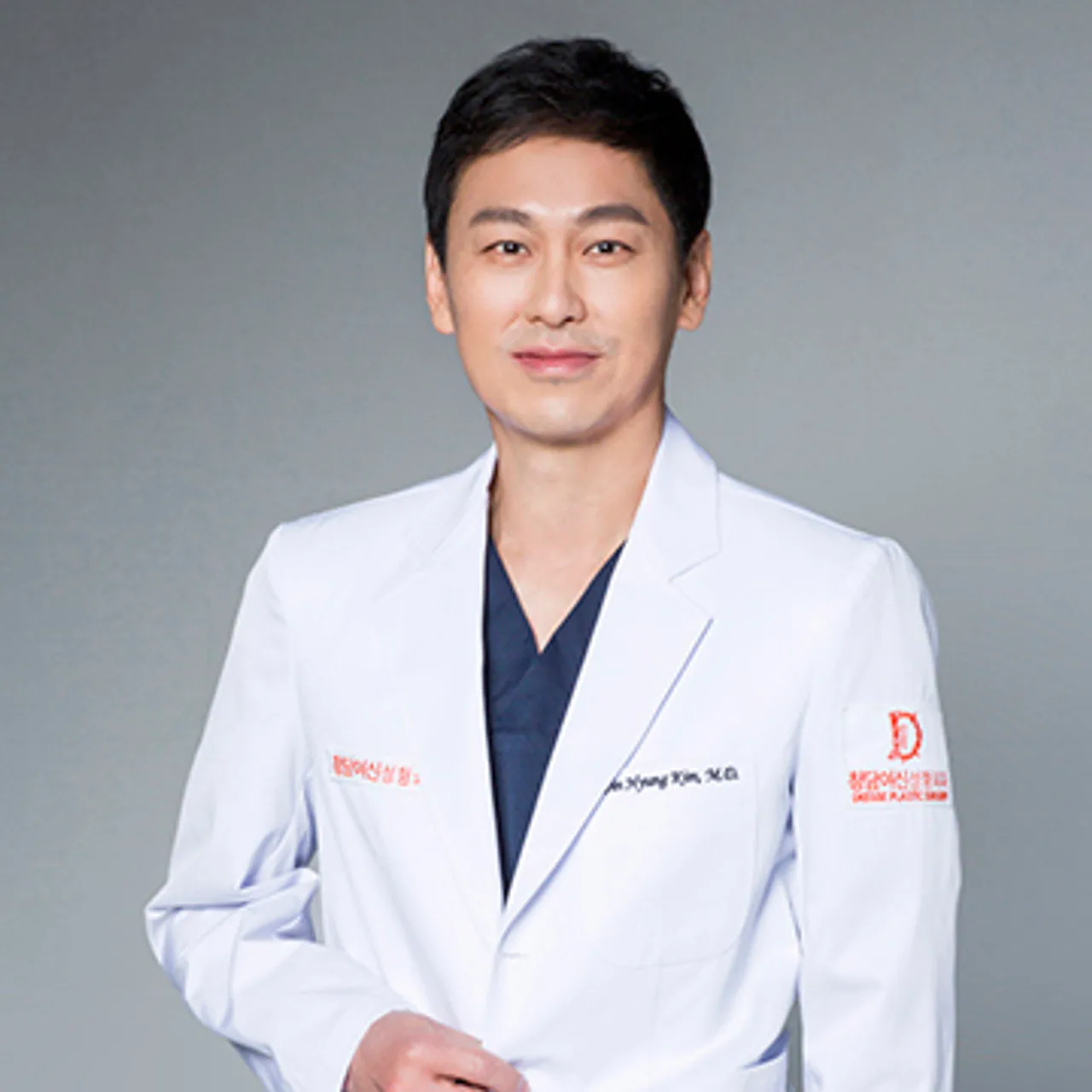
Chief Director | Board-Certified Plastic Surgeon | Deesse Plastic Surgery
Dr. Jin Hyung Kim is the Chief Director of Deesse Plastic Surgery and a board-certified plastic surgeon with specialized expertise in aesthetic and craniofacial surgery. Trained at Yonsei University College of Medicine and Severance Hospital, Dr. Kim brings the reconstructive precision, structural anatomical understanding, and aesthetic judgment that cleft lip and palate repair demands.
Cleft lip and palate reconstruction is among the most technically and anatomically complex areas of plastic surgery. The tissues involved — the lip, philtrum, and nasal structures — are closely interdependent, and a correction that addresses one without fully accounting for its relationship to the others produces a result that may look improved in isolation but unnatural in the context of the full face. Secondary reconstruction after prior surgery adds further complexity — requiring an understanding of what the primary procedure achieved, what tissue changes have occurred during growth, and how to design a corrective plan that works within the current structural anatomy.
Dr. Kim's craniofacial surgery specialization is directly and specifically relevant here. His training encompasses the full three-dimensional bony and soft tissue anatomy of the face — the lip, philtrum, nasal cartilage, nasal bone, and their functional relationships — at the depth of understanding that cleft reconstruction requires. His approach to every cleft repair case begins with precise analysis of the underlying structural causes of the current presentation — and his reconstructive design considers overall facial harmony, ensuring that the corrected lip, philtrum, and nasal structures integrate naturally with the patient's full facial proportions.
Credentials:
- M.D. & Master's Degree — Yonsei University College of Medicine
- Board-Certified Plastic & Reconstructive Surgeon
- Specialist Training — Severance Hospital, Sinchon
- Former Full-Time & Adjunct Professor, Dept. of Plastic Surgery — Severance Hospital
- Former Chief Director — Dau Plastic Surgery
- Current Chief Director — Deesse Plastic Surgery
Professional Memberships: Korean Society of Plastic and Reconstructive Surgeons | Korean Society for Aesthetic Plastic Surgery | Korean Society of Craniofacial Surgery | Japan Society of Aesthetic Plastic Surgery | Oriental Society of Aesthetic Plastic Surgery | International Society of Plastic Surgery
Cleft Repair: Reconstruction Areas and Expected Improvements
- Lip Reconstruction: Lip reconstruction analyzes the current lip shape in the context of the patient's overall facial balance — identifying the specific asymmetries, contour irregularities, or structural deficiencies that require correction. A detailed surgical plan designs more harmonious lip contours — addressing left-right symmetry, upper lip border definition, and the relationship between the lip and surrounding perioral structures. The goal is a lip contour that looks naturally proportionate to the individual's face — not simply corrected from a clinical baseline.
- Philtrum Reconstruction: The philtrum — the central groove between the base of the nose and the upper lip — is frequently affected by cleft-related scarring, including the characteristic V-shaped scar that can remain following primary surgery. Philtrum reconstruction at Deesse uses delicate dermal tissue grafting techniques to fill depressed philtrum areas and restore natural contour and definition — improving both the visual appearance of the philtrum and its structural relationship to the upper lip and nasal base.
- Nasal Reconstruction: Cleft-related nasal deformity encompasses a spectrum of concerns — from deviated nasal cartilage and asymmetrical nasal tip to collapsed nasal support and airway obstruction. Nasal reconstruction at Deesse uses structural grafting techniques to support nasal function and shape simultaneously — correcting deviation and obstruction while aesthetically refining the nasal bridge and tip. The functional and aesthetic dimensions of the nasal correction are addressed within the same surgical plan, ensuring that improved breathing and improved appearance are achieved together.
- Scar Minimization: Existing scars from primary cleft surgery are minimized through a combination of surgical revision methods and laser treatment — reducing scar visibility, improving scar texture and color, and supporting the most natural-looking final appearance of the reconstructed areas.
Expected Improvements May Include:
- More symmetrical, naturally contoured lip appearance
- Restored philtrum definition with minimized V-shaped scar
- Corrected nasal structure — more symmetrical nasal tip and bridge
- Improved nasal airway function where obstruction is present
- Reduced visibility of primary surgical scars
- More harmonious overall lower facial appearance
- Simultaneous functional and aesthetic improvement in a single coordinated plan
Results vary by individual. The degree of improvement depends on the nature and severity of the initial condition, prior surgical history, tissue quality, and healing. No specific outcome is guaranteed.
Cleft Repair Process and Timeline at Deesse Plastic Surgery

Step 1 — Consultation and Structural Analysis
Dr. Kim conducts a detailed consultation assessing current lip shape, philtrum scar characteristics, nasal structure, airway function, and overall facial balance. Prior surgical history is reviewed and the specific structural causes of all current concerns are precisely identified before any plan is designed.
Step 2 — Individualized Reconstruction Plan
Based on structural analysis, a comprehensive reconstruction plan is designed — incorporating lip reconstruction, philtrum tissue grafting, nasal structural correction, and scar revision as required. All components are integrated into a single coordinated plan designed around the patient's overall facial harmony.
Step 3 — Dedicated Anesthesia Planning
A dedicated anesthesiology specialist designs an individualized sedation anesthesia protocol based on pre-operative health assessment and procedure requirements — with thorough preoperative evaluation to reduce risks and support stable surgical outcomes.
Step 4 — Reconstruction Surgery (Approximately 2 Hours)
The procedure is performed according to the individualized plan — with delicate tissue handling, precise structural grafting, and refined suturing technique applied throughout to minimize scarring and support natural-looking results.
Step 5 — Post-Operative Monitoring and Discharge
Patients are monitored before same-day discharge. Temporary swelling, bruising, and mild discomfort are expected during the initial recovery period. Detailed post-operative care instructions are provided.
Step 6 — Recovery and Follow-Up
Initial recovery takes approximately two to three days. Follow-up appointments monitor healing, scar progression, and structural integration. Laser treatment for scar improvement is incorporated into the aftercare plan where beneficial. Final results develop progressively as swelling resolves and tissue settles.
Results, Safety, and What to Expect
- Results and Longevity: Cleft lip and palate reconstruction produces lasting structural and aesthetic improvements to the lip, philtrum, and nasal contour. Because the procedure addresses the underlying structural causes of each concern — through tissue grafting, structural support, and refined suturing — the corrected anatomy is designed to remain stable as healing progresses. Scar improvement continues to develop over months as laser treatment is incorporated into aftercare. Individual results vary and no outcome is guaranteed.
- Safety Profile: All cleft reconstruction at Deesse is performed with a dedicated anesthesia specialist and thorough preoperative evaluation. Advanced monitoring equipment supports safe anesthesia management throughout. Deesse's emergency-ready system — ECG monitoring, uninterruptible power supply, cardiac defibrillator, and central patient monitoring — is active throughout every procedure.
- Possible Side Effects and Risks: Temporary swelling, bruising, and discomfort are expected during recovery. Asymmetry, incomplete correction, scar formation, and the need for further refinement are possible. All risks and realistic expectations — including what correction is achievable given the individual's structural history — are discussed openly with Dr. Kim during consultation.
Why Choose Deesse for Cleft Lip & Palate Repair?
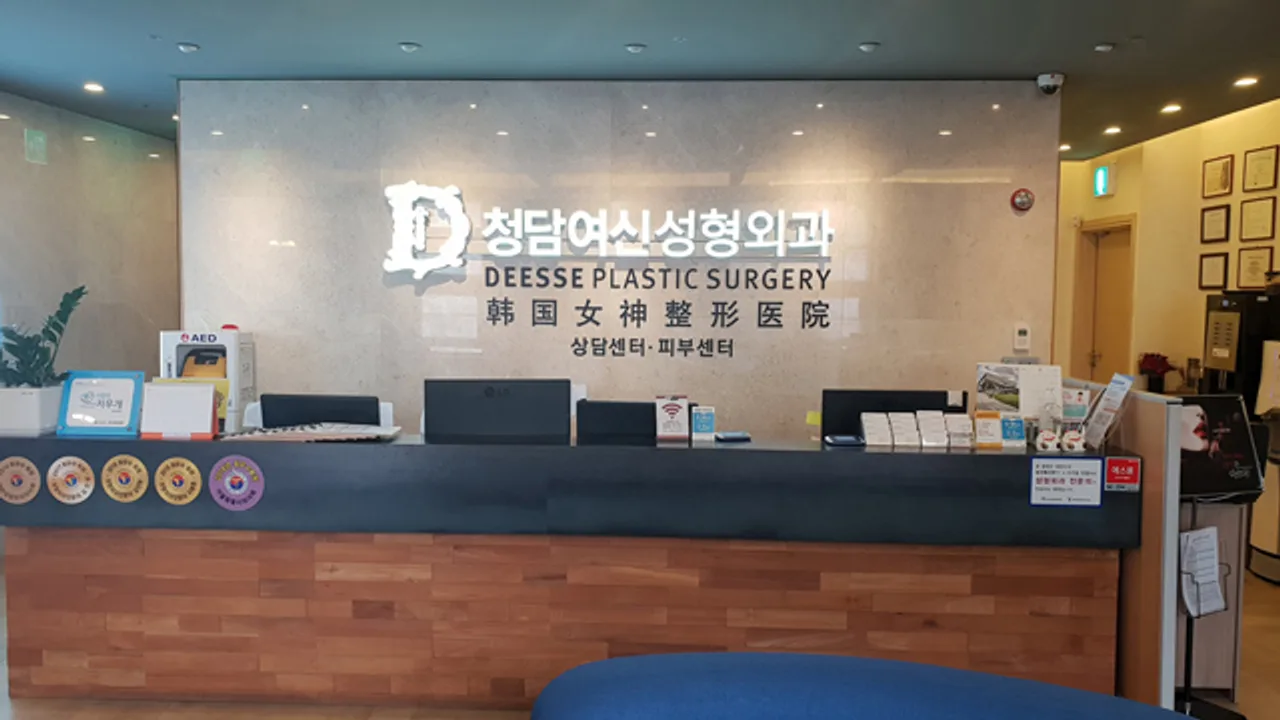
Cleft lip and palate reconstruction is one of the most technically demanding areas of plastic surgery — requiring a surgeon whose training encompasses both the reconstructive precision needed to address complex structural anatomy and the aesthetic judgment needed to integrate the correction harmoniously with the individual face. Dr. Kim's craniofacial surgery specialization provides exactly this combination — giving every cleft repair patient access to a surgical approach that addresses function and appearance with equal precision.
The simultaneous correction of lip, philtrum, nasal structure, and scar within a single coordinated plan — rather than separate procedures at separate stages — reflects the comprehensive approach that Deesse applies to every reconstructive case.
Deesse's five core pillars support every cleft repair case:
- Patient-Centered Specialists — Every plan is built around your specific structural condition, functional needs, and aesthetic goals.
- Emergency-Ready Surgery System — Advanced monitoring and dedicated anesthesia specialist active throughout every procedure.
- Customized Anesthesia by Specialist — Individualized sedation protocol with thorough preoperative evaluation for every case.
- Total Care Recovery Program — Post-operative care including laser scar treatment and follow-up monitoring through full recovery.
- Collaborative Field-Specific Team — Coordinated specialist team managing every case from initial consultation through final follow-up.
Real Patient Experiences
Secondary Cleft Lip and Philtrum Revision, Patient in her late teens
This patient had undergone primary cleft lip surgery in infancy and presented with residual lip asymmetry and a visible V-shaped philtrum scar affecting her confidence. Dr. Kim designed a coordinated lip reconstruction and philtrum tissue grafting plan. She described the improvement as transformative — her lip looked naturally symmetrical and the philtrum scar, which had been her primary concern, was significantly less visible.
Nasal Reconstruction After Primary Cleft Surgery, Patient in his 20s
This patient had a deviated nasal structure and airway obstruction that had persisted following primary cleft surgery in childhood. Dr. Kim's structural grafting plan corrected both the nasal deviation and the breathing obstruction in the same procedure. He described the dual improvement — better breathing and a more symmetrical nasal appearance — as the outcome he had hoped for but had not expected to achieve simultaneously.
Restore Function and Natural Appearance — Together
If you or someone you care for has a cleft lip or palate condition — whether presenting for initial adult correction or seeking secondary refinement after prior surgery — expert reconstruction at Deesse Plastic Surgery offers a comprehensive, craniofacial-specialist-led path to improved function, refined appearance, and minimized scarring. Dr. Jin Hyung Kim and the full Deesse specialist team will analyze the structural causes of every concern, design a coordinated plan addressing all dimensions simultaneously, and deliver a result built on precision and genuine care.
[Book Your Free Cleft Repair Consultation Today]
Your consultation is free, confidential, and comes with no obligation. Our patient care team is ready to answer your questions and schedule your appointment.
Other Services
Explore additional treatments offered by our specialists.

Male Double Eyelid
Male eye surgery at Deesse Plastic Surgery is a specialized aesthetic procedure designed to improve the appearance of the eyes while preserving and enhancing masculine facial characteristics.
Learn More

Square Jaw Reduction
Achieve a refined V-line with expert square jaw reduction at Deesse Plastic Surgery. Board-certified surgeon Dr. Jin Hyung Kim. 3D precision. Minimal stepped effect. Book today.
Learn More

Breast Reconstruction
Breast reconstruction surgery is a reconstructive procedure performed to restore the shape, volume, and contour of the breast following mastectomy due to breast cancer treatment, trauma-related deformity, congenital breast absence, or post-surgical asymmetry.
Learn More