Personalized Medical Care & Dedicated International Patient Concierge


Nose Surgery · Needs Clinic Confirmation
Alar Rim Retraction Correction
Alar rim retraction is a condition in which the lower edge of the nostril — known as the alar rim — sits higher than it naturally should, causing an excessive amount of the nostril interior to be visible when viewed from the front or side.
Schedule a ConsultationAlar Rim Retraction Correction

What Is Alar Rim Retraction? Overview of Nostril Margin Correction Surgery
Alar rim retraction is a condition in which the lower edge of the nostril — known as the alar rim — sits higher than it naturally should, causing an excessive amount of the nostril interior to be visible when viewed from the front or side. This can occur as a natural anatomical characteristic or, more commonly, as a result of prior rhinoplasty in which the nasal tip was over-rotated, too much tissue was removed, or the alar cartilage was repositioned in a way that pulled the nostril margin upward.
The visual effect of alar rim retraction is significant. Even when all other aspects of the nose appear well-proportioned, a retracted alar rim draws attention to the nostrils in a way that feels unnatural — often creating the impression of an upturned nose, an operated appearance, or an imbalance between the nasal tip and the nostril base. For patients who have undergone prior rhinoplasty, it is one of the most frequently cited concerns in revision consultations.
Correction surgery addresses the retraction by repositioning, supporting, or augmenting the alar rim to bring the nostril margin down to a more natural position. At Deesse Plastic Surgery, this is achieved through a carefully individualized approach — beginning with a thorough analysis of the nasal structure, the cause of the retraction, and the specific correction required for each patient's anatomy. The goal is a nostril contour that looks natural, balanced, and consistent with the rest of the face.
At a Glance:
- Condition: Alar rim sitting too high, excessive nostril show
- Cause: Natural anatomy or result of prior rhinoplasty
- Approach: Individualized structural correction
- Goal: Natural nostril margin, restored nasal harmony
- Discharge: Same day
Who Needs Alar Rim Retraction Correction? Ideal Candidates for Nostril Margin Surgery
Alar rim retraction correction is appropriate for individuals whose nostril margin sits higher than natural — whether due to their own anatomy or as a result of a previous surgical procedure. Candidacy is confirmed through detailed consultation and structural analysis with Dr. Kim, based on the degree of retraction, its underlying cause, and the patient's overall nasal and facial anatomy.
Ideal Candidates Include:
- Excessive Nostril Show from the Front — Individuals in their 20s–50s whose nostrils are visibly prominent when viewed straight-on, creating an unintentionally prominent or upturned nasal appearance.
- Retracted Alar Rim After Prior Rhinoplasty — Patients whose nostril margin was pulled upward as a result of previous nose surgery — commonly following over-rotation of the nasal tip, excessive cartilage removal, or aggressive tip refinement.
- Upturned or Over-Rotated Nose Appearance — Those whose nasal tip points upward more than is proportionate to their facial features, often accompanied by visible retraction of one or both alar rims.
- Nostril Asymmetry Due to Uneven Retraction — Patients where one nostril rim sits higher than the other, creating a visible asymmetry that affects the overall balance of the nose and face.
- Unnatural Nasal Contour After Implant Surgery — Individuals who feel their nose looks operated or artificial due to alar rim changes that occurred as a secondary effect of nasal bridge or tip implant placement.
- Patients Seeking Natural Nostril Restoration — Those who want to restore a more natural, relaxed nostril appearance without dramatically altering the overall shape of their nose.
- Revision Rhinoplasty Patients with Alar Concerns — Individuals undergoing broader rhinoplasty revision who also require alar rim correction as part of a more comprehensive nasal restoration plan.
Meet the Specialist: Dr. Jin Hyung Kim — Nose Revision & Craniofacial Surgery Expert

Chief Director | Board-Certified Plastic Surgeon | Deesse Plastic Surgery
Dr. Jin Hyung Kim is the Chief Director of Deesse Plastic Surgery and a board-certified plastic surgeon with specialized expertise in aesthetic nose surgery and craniofacial procedures. His academic training at Yonsei University College of Medicine and clinical development at Severance Hospital — both among Korea's most respected medical institutions — give him the anatomical depth and surgical precision that alar rim correction demands.
Alar rim retraction correction is one of the more technically nuanced areas of rhinoplasty. The alar rim is a delicate structure, and its position is influenced by the cartilage framework beneath it, the tension of surrounding tissue, and the cumulative effect of any prior surgical changes to the nose. Correcting a retracted rim requires more than repositioning tissue — it requires a thorough understanding of what caused the retraction, what the underlying structure currently looks like, and what approach will produce a stable, natural correction without creating new imbalances elsewhere.
Dr. Kim's background in craniofacial surgery is directly relevant here. His training encompasses the full three-dimensional anatomy of the face — not just its surface features — and his approach to alar rim correction reflects this. Each case begins with a detailed structural analysis, a clear understanding of the patient's surgical history where applicable, and a personalized correction plan that addresses the cause rather than simply the appearance of the retraction.
His philosophy across all surgical cases applies equally here: careful analysis, individualized planning, and a result that restores natural balance without an operated appearance.
Credentials:
- M.D. & Master's Degree — Yonsei University College of Medicine
- Board-Certified Plastic & Reconstructive Surgeon
- Specialist Training — Severance Hospital, Sinchon
- Former Full-Time Professor, Dept. of Plastic Surgery — Severance Hospital
- Adjunct Professor — Severance Hospital
- Former Chief Director — Dau Plastic Surgery
- Current Chief Director — Deesse Plastic Surgery
Professional Memberships: Korean Society of Plastic and Reconstructive Surgeons | Korean Society for Aesthetic Plastic Surgery | Korean Society of Craniofacial Surgery | Japan Society of Aesthetic Plastic Surgery | Oriental Society of Aesthetic Plastic Surgery | International Society of Plastic Surgery
Alar Rim Retraction Correction: Treatment Areas and Expected Improvements
Primary Treatment Areas:
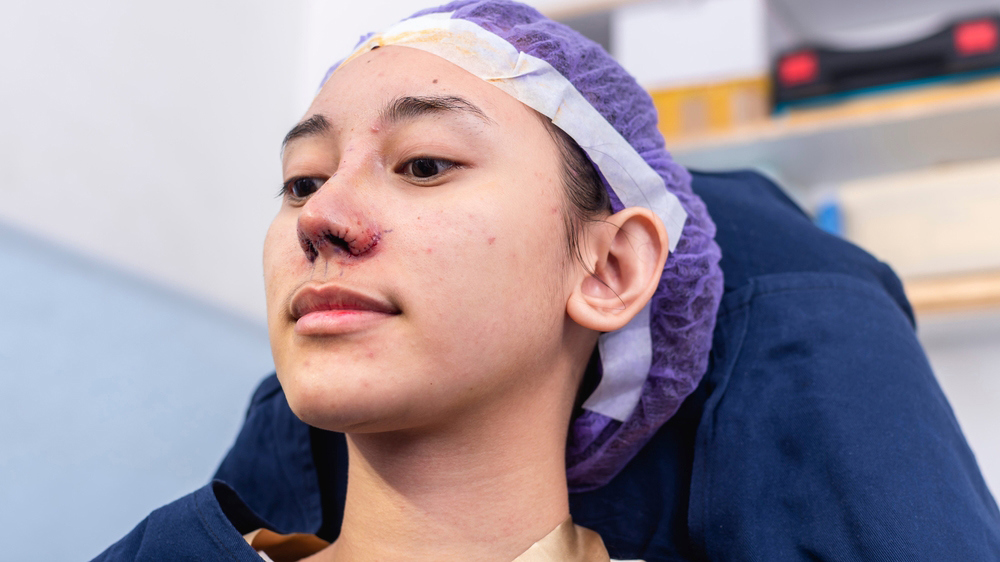
- Alar rim — the lower curved edge of each nostril
- Alar cartilage — the structural framework supporting the nostril margin
- Nostril margin — the visible edge of the nostril as seen from the front and side
- Nasal tip — considered in relation to alar rim position and overall nasal balance
- Columella — the central structure between the nostrils, assessed for its relationship to the alar rim
Expected Improvements May Include:
- Lowered Nostril Margin — The alar rim is repositioned to a more natural height, reducing the amount of nostril interior visible from the front and creating a more relaxed, proportionate nostril appearance.
- Reduced Upturned Nasal Appearance — Correcting the alar rim position softens the impression of an over-rotated or upturned nose, restoring a more natural nasal profile and tip angle.
- Improved Nostril Symmetry — Where retraction is uneven between the two sides, correction surgery addresses each rim individually to create better balance and harmony between both nostrils.
- More Natural Post-Surgical Appearance — For patients whose alar retraction resulted from prior rhinoplasty, correction restores a nasal contour that looks less operated and more consistent with natural anatomy.
- Enhanced Overall Facial Harmony — A naturally positioned alar rim contributes to the overall balance of the nose within the face — improving the relationship between the nasal tip, nostril base, and surrounding facial features.
- Synergy with Broader Rhinoplasty Revision — Where alar rim correction is performed alongside other revision procedures — such as tip refinement, implant adjustment, or septal correction — the combined result supports a more comprehensive nasal restoration.
Results vary by individual. Healing, scar resolution, and the degree of improvement depend on the cause and severity of retraction, prior surgical history, tissue quality, and adherence to post-operative care. No specific outcome is guaranteed.
Alar Rim Retraction Correction Process and Timeline at Deesse Plastic Surgery
Step 1 — Consultation and Nasal Structure Analysis
Dr. Kim conducts a thorough consultation to assess the degree of alar rim retraction, identify its underlying cause, and evaluate the current condition of the nasal structure. For patients with prior rhinoplasty, a detailed review of the previous procedure is central to this stage. Facial photographs and structural measurements are taken to support the surgical planning process.
Step 2 — Personalized Surgical Plan
Based on the consultation findings, an individualized correction plan is designed. The approach — whether involving cartilage grafting, tissue repositioning, alar rim grafts, or a combination of techniques — is selected specifically for the patient's anatomy and the nature of the retraction. Where alar correction is part of a broader revision plan, all components are integrated into a single coordinated surgical strategy.
Step 3 — Personalized Anesthesia Planning
A dedicated anesthesiology specialist at Deesse reviews the patient's health status and designs an individualized anesthesia protocol to ensure the safest and most comfortable experience throughout the procedure.
Step 4 — Alar Rim Correction Surgery
The procedure is performed according to the individualized plan, with careful attention to the delicate structures of the alar rim and surrounding nasal anatomy. Precise tissue handling and targeted correction techniques are applied to minimize scarring and support a natural-looking result. Where combination procedures are included, these are performed within the same surgical session.
Step 5 — Immediate Post-Operative Monitoring and Discharge
Following surgery, patients are monitored using Deesse's advanced monitoring systems before same-day discharge. Mild swelling, bruising, and temporary changes in nostril appearance are expected during the initial healing phase. Detailed aftercare instructions are provided.
Step 6 — Recovery and Follow-Up
Initial recovery typically progresses over the first one to two weeks, with most patients returning to normal daily activities as swelling and bruising subside. Follow-up appointments track the healing of the alar rim, scar progression, and overall nasal symmetry. Final results — including complete resolution of swelling and full integration of corrected nostril contour — develop progressively over the weeks and months following surgery.
Alar Rim Retraction Correction Results, Safety, and What to Expect
- Results and Longevity: Alar rim retraction correction produces structural changes to the nostril margin that are intended to be lasting. Because the procedure addresses the underlying anatomical cause of the retraction — whether through cartilage support, tissue repositioning, or grafting — rather than applying a surface adjustment, the corrected position of the rim is designed to remain stable as healing progresses. Final results develop over time as swelling resolves and tissue settles into its new position. Individual results vary based on the complexity of the correction and each patient's healing characteristics. No outcome is described as permanent and individual variation always applies.
- Safety Profile: Alar rim correction is performed at Deesse within a fully supported surgical environment. All patients undergo pre-operative health screening and receive a customized anesthesia plan developed by a dedicated specialist. Deesse's emergency-ready surgery system — including ECG monitoring, uninterruptible power supply, cardiac defibrillator, and central patient monitoring — is maintained throughout every procedure, ensuring that patient safety is actively supported at every stage.
- Possible Side Effects and Risks: As with any surgical procedure involving the nose, potential side effects include swelling, bruising, temporary changes in sensation, and a recovery period during which the final result is not yet visible. The possibility of asymmetry, scar formation, incomplete correction, or the need for further refinement exists. Serious complications are rare but possible. All risks, realistic expectations, and post-operative care requirements are discussed openly with Dr. Kim during consultation before any plan is confirmed. Patients are encouraged to ask all questions before proceeding.
Why Choose Deesse Plastic Surgery for Alar Rim Retraction Correction?

Alar rim retraction is a precise and often complex concern — particularly when it results from prior surgery, where the tissue has already been altered and the correction must account for both the current anatomy and the cumulative effects of what came before. At Deesse Plastic Surgery, this complexity is met with the same standard applied to every case: thorough analysis, individualized planning, and surgical execution that prioritizes a natural, lasting result over a quick fix.
Dr. Jin Hyung Kim's specialization in aesthetic and craniofacial surgery gives him the structural understanding of the nose and face that alar rim correction requires. His approach is not to treat the visible symptom in isolation but to identify and correct the underlying structural cause — whether that is cartilage positioning, tissue tension, or the residual effect of a prior procedure. For patients who have already experienced an unsatisfactory rhinoplasty outcome, this analytical approach offers a meaningful distinction from clinics that apply standard revision techniques without individualized assessment.
Deesse's five core pillars support every alar rim correction case with the infrastructure and expertise the procedure demands:
- Patient-Centered Specialists — Every correction plan is built around your specific nasal anatomy, prior surgical history, and personal goals — not a generalized protocol.
- Emergency-Ready Surgery System — Advanced ECG monitoring, uninterruptible power supply, cardiac defibrillator, and central patient monitoring are active throughout every procedure.
- Customized Anesthesia by Specialist — A dedicated anesthesiology expert designs an individualized sedation plan based on your pre-operative health assessment and procedure requirements.
- Total Care Recovery Program — Structured post-surgical care supports faster healing, reduced swelling, and consistent follow-up monitoring through every stage of recovery.
- Collaborative Field-Specific Team — Every case is managed by a coordinated specialist team from initial consultation through final follow-up, ensuring no detail is overlooked.
Real Patient Experiences — Alar Rim Retraction Correction at Deesse Plastic Surgery
Patient Vignette 1 — Post-Rhinoplasty Alar Retraction, Patient in her late 20s
This patient underwent rhinoplasty at another clinic and noticed afterward that her nostrils appeared more visible than before — giving her nose an upturned look she had not anticipated. After consulting with Dr. Kim, the retraction was identified as a result of over-rotation during her original tip surgery. A correction plan was developed that repositioned the alar rim using cartilage support, restoring a more natural nostril position. She described the result as finally looking like her own nose again — natural, balanced, and no longer drawing unwanted attention.
Patient Vignette 2 — Asymmetrical Alar Retraction Correction, Patient in her 30s
This patient had lived with one nostril rim sitting visibly higher than the other — a natural anatomical asymmetry she had been self-conscious about for years. Dr. Kim's consultation identified the structural difference between the two sides and designed an individualized correction for each rim. Recovery was straightforward and the follow-up care was attentive throughout. She noted that the improvement in nostril symmetry had a larger positive effect on her overall appearance than she had expected — bringing a balance to her face she had not previously experienced.
Restore the Natural Nostril Contour Your Face Deserves
Whether your alar rim retraction is the result of a previous rhinoplasty or a natural characteristic of your nasal anatomy, precise, individualized correction is possible. At Deesse Plastic Surgery, Dr. Jin Hyung Kim and the full specialist team are ready to conduct a thorough assessment of your nasal structure, explain exactly what correction is feasible for your anatomy, and design a surgical plan that restores natural nostril balance with the care and precision your case requires.
The commitment at Deesse is consistent across every procedure: one carefully planned surgery, executed with full attention to the individual, focused entirely on a result that looks natural and lasts.
[Book Your Free Alar Rim Retraction Consultation Today]
Your consultation is free, confidential, and comes with no obligation. Our patient care team is available to answer any pre-consultation questions and schedule your appointment at a time that suits you.
Other Services
Explore additional treatments offered by our specialists.

Male Double Eyelid
Male eye surgery at Deesse Plastic Surgery is a specialized aesthetic procedure designed to improve the appearance of the eyes while preserving and enhancing masculine facial characteristics.
Learn More

Square Jaw Reduction
Achieve a refined V-line with expert square jaw reduction at Deesse Plastic Surgery. Board-certified surgeon Dr. Jin Hyung Kim. 3D precision. Minimal stepped effect. Book today.
Learn More

Breast Reconstruction
Breast reconstruction surgery is a reconstructive procedure performed to restore the shape, volume, and contour of the breast following mastectomy due to breast cancer treatment, trauma-related deformity, congenital breast absence, or post-surgical asymmetry.
Learn More